
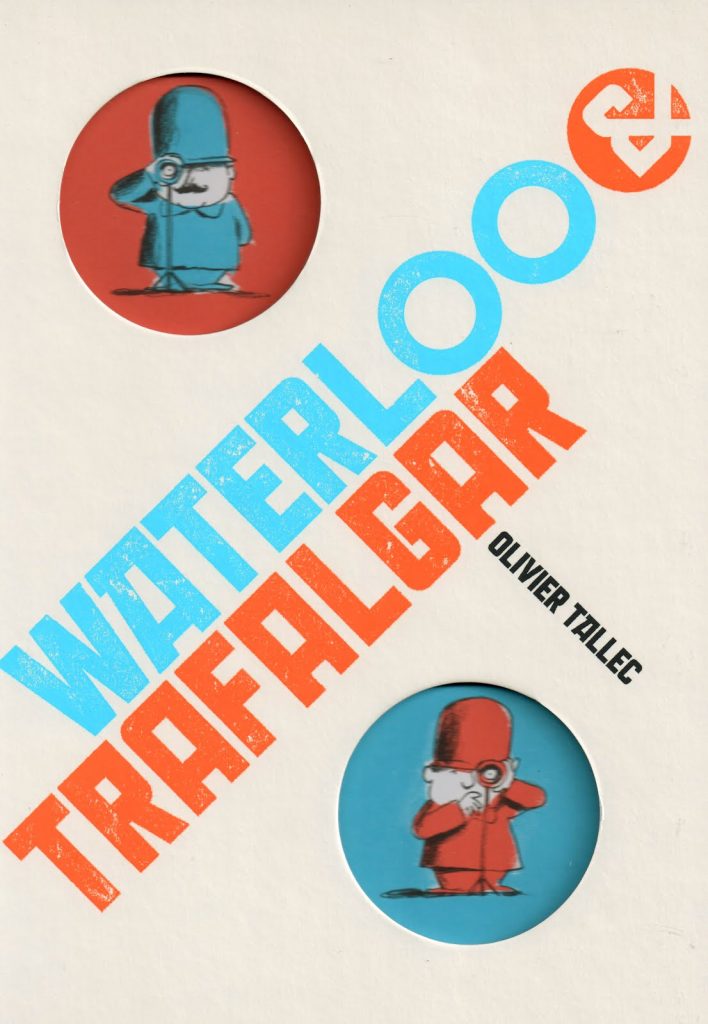

Olivier Tallec’s 2012 wordless picture book, Waterloo & Trafalgar, portrays two men, one in blue and one in orange, who are separated by walls and watch each other suspiciously behind their telescopes throughout the seasons, embroiled in conflict. Not until they have a common cause do they stop fighting. At the end of the book, we see that the two warring men both live inside an enclosed area, situated within a beautiful blue and orange park that neither of them appears to see.
The amusing and colorful line drawings tell a multi-layered story, raising such questions as: Why do people engage in conflict? What is the point of war? Is compromise always possible? What does it take to trust another person? Another country? What do we really know about each other, and about the world?
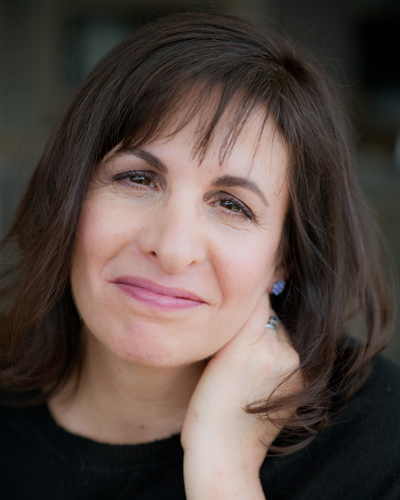 Jana Mohr Lone is the director and founder of the University of Washington Center for Philosophy for Children, an academic research center dedicated to research and practice in philosophy for children and philosophy of childhood, and she is an Affiliate Associate Professor of Philosophy at the University of Washington. Jana is the author of Seen and Not Heard (2021) and The Philosophical Child (2012). She co-authored the textbook Philosophy in Education: Questioning and Dialogue in Schools (2016) and co-edited the collection of essays Philosophy and Education: Introducing Philosophy to Young People (2012). Since 1995 she has taught philosophy in classrooms from preschool to college and beyond. A frequent writer and speaker about precollege philosophy, Jana is the founding president of PLATO (Philosophy Learning and Teaching Organization) and the founding editor-in-chief of the journal Questions: Philosophy for Young People. Follow her on Twitter: @JanaMohrLone