
After 13 years of working in this field, I continue to analyze the most effective ways to make philosophy a more common offering in K-12 schools. Working with teachers to help them to develop the skills necessary to teach philosophy is the most obvious way to make a large impact, but my experience has convinced me that this approach is in many ways an uphill battle. Most teachers have not studied philosophy and are already overloaded with the always-increasing demands on them for what they must teach in their classrooms. Although I think it’s imperative that we work with Schools of Education to bring philosophy into teacher-training programs, those programs are similarly packed with what teachers are expected to learn and there is not much room for expansion.
I love the Philosophy in the Schools program because it brings philosophers and people trained in philosophy into classrooms. The students seem to relish having someone new come into the classroom, and this method demands little of the classroom teacher other than an openness to having philosophy sessions in the classroom. This is, however, a slow approach, bringing philosophy into one school at a time, with the number of schools dependent on the number of trained people available to participate in these programs, and on teachers willing to take time out of the classroom day to give it a try.
I wonder if another option would be to create some kind of national afterschool philosophy program, like Knowledge Bowl or debate teams, which would involve an afterschool activity, run by a coach/philosophy educator, to prepare the students for a kind of competition, like the Ethics Bowl or the Kids Philosophy Slam, but one that would bring together middle and high school students in periodic local/regional meets and then a state and perhaps national competition. My thought is a kind of combined philosophy club/debate team. Each year, perhaps, there could be different focus (ethics, aesthetics, epistemology, etc.). I have to think more about this idea.
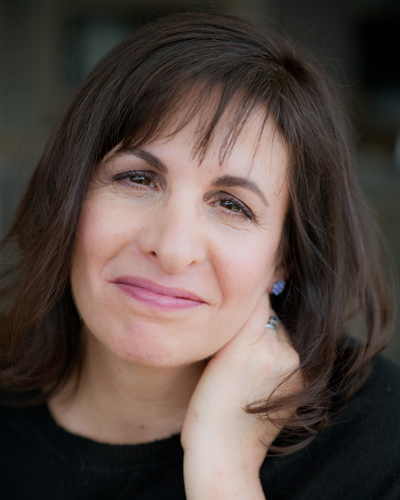 Jana Mohr Lone is the director and founder of the University of Washington Center for Philosophy for Children, an academic research center dedicated to research and practice in philosophy for children and philosophy of childhood, and she is an Affiliate Associate Professor of Philosophy at the University of Washington. Jana is the author of Seen and Not Heard (2021) and The Philosophical Child (2012). She co-authored the textbook Philosophy in Education: Questioning and Dialogue in Schools (2016) and co-edited the collection of essays Philosophy and Education: Introducing Philosophy to Young People (2012). Since 1995 she has taught philosophy in classrooms from preschool to college and beyond. A frequent writer and speaker about precollege philosophy, Jana is the founding president of PLATO (Philosophy Learning and Teaching Organization) and the founding editor-in-chief of the journal Questions: Philosophy for Young People. Follow her on Twitter: @JanaMohrLone