
I had a conversation recently with a colleague about the difference it makes, in his view, when students who have had philosophy in high school enroll in his undergraduate philosophy classes. He said that he almost always recognizes students who have studied philosophy in high school — he observes deeper thinking about the questions explored in the class and an enhanced ability to write and reason well. We talked about the relative invisibility of philosophy in the United States, and the difference it would make if philosophy were a subject (like history) that all high school students studied, the way they do in many European and Latin American countries.
Soon after this discussion, students in a philosophy class taught by Michael Burroughs at Booker T. Washington High School in Memphis sent the following comments on to me, reminding me again of the value of philosophy from the students’ points of view.
Aysahn Roach: “What is philosophy? To me philosophy is a class to have group discussions on different philosophers such as Aristotle and Socrates. Not only does this class cause debates, but it also helps us really get into the subjects that we are talking about, such as forgiveness. I would offer this class to anyone who is willing to learn or likes to debate about different subjects.”
Robert Coats: “We discuss key points about life that I would never have thought of. This class allows me to think outside the box. Some topics we have discussed are: the good life, forgiveness, and destiny. We have discussed more but these topics really stick out to me. Other classmates seem to be really interested in these topics and engage in conversation on them. Listening to the thoughts of others and how they perceive a question really gets me thinking. I believe philosophy is not only beneficial to me, but also to the whole class.”
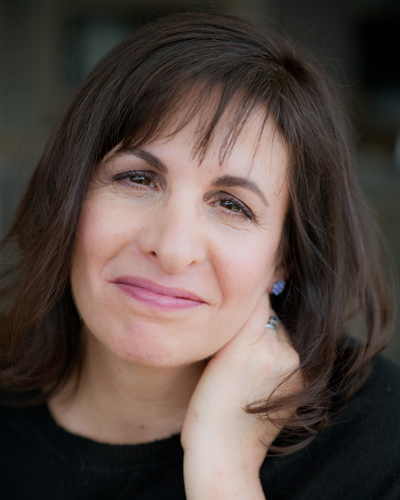 Jana Mohr Lone is the director and founder of the University of Washington Center for Philosophy for Children, an academic research center dedicated to research and practice in philosophy for children and philosophy of childhood, and she is an Affiliate Associate Professor of Philosophy at the University of Washington. Jana is the author of Seen and Not Heard (2021) and The Philosophical Child (2012). She co-authored the textbook Philosophy in Education: Questioning and Dialogue in Schools (2016) and co-edited the collection of essays Philosophy and Education: Introducing Philosophy to Young People (2012). Since 1995 she has taught philosophy in classrooms from preschool to college and beyond. A frequent writer and speaker about precollege philosophy, Jana is the founding president of PLATO (Philosophy Learning and Teaching Organization) and the founding editor-in-chief of the journal Questions: Philosophy for Young People. Follow her on Twitter: @JanaMohrLone