
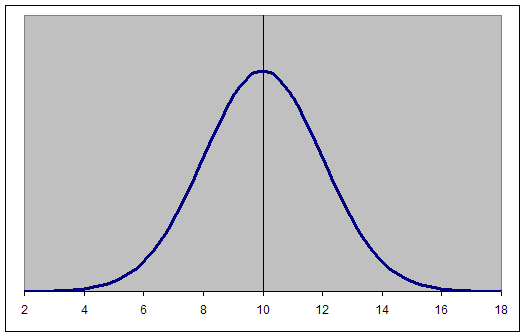

When I was in a fifth grade classroom last week, the students told me that they had been puzzling a little together about the meaning of “normal,” and wanted to ask me about it. What is normal?
The dictionary says being normal is being “an average person,” the students told me.
“But no one is the same,” one student said.
“Well, what does it mean to be an average person?” I asked.
“Well, an example of not normal would be pouring gasoline on your cereal,” offered a student.
“But what if there was a city the size of Washington DC whose population all poured gasoline on their cereal every morning? It would be normal for them,” countered another.
“And what would make that normal?” I asked.
“The fact that most people do it,” answered the student.
“So then is the meaning of normal what most people are or do?” I asked.
“Perhaps normal is whatever your tradition or culture thinks you should do,” suggested a student. “Something might be normal to other people, but not within your tradition.”
“I think that normal is just something that we think,” mused another student. “Like nothing is really normal. Normal is just something people round things off to. It’s normal to open a door to go to school, so it’s usually true, but sometimes it’s not like that. Normal is just a thought people use to round off how we understand things.”
“Kind of like a shorthand, to describe how we ordinarily do things?” I asked.
“Yes, exactly,” he replied.
“But it’s a shorthand for what most people think,” responded a student.
“Sometimes it’s good to be what people call ‘not normal,’ ” another student broke in. “It would be really boring if everyone was normal, whatever normal is.”
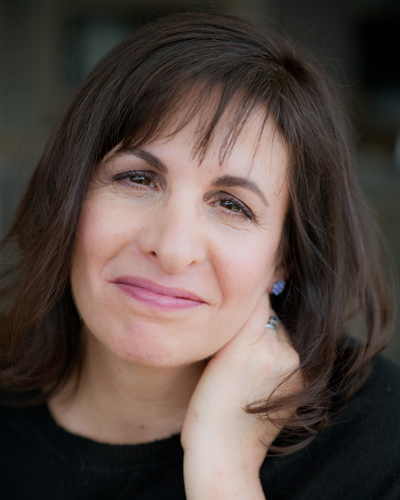 Jana Mohr Lone is the director and founder of the University of Washington Center for Philosophy for Children, an academic research center dedicated to research and practice in philosophy for children and philosophy of childhood, and she is an Affiliate Associate Professor of Philosophy at the University of Washington. Jana is the author of Seen and Not Heard (2021) and The Philosophical Child (2012). She co-authored the textbook Philosophy in Education: Questioning and Dialogue in Schools (2016) and co-edited the collection of essays Philosophy and Education: Introducing Philosophy to Young People (2012). Since 1995 she has taught philosophy in classrooms from preschool to college and beyond. A frequent writer and speaker about precollege philosophy, Jana is the founding president of PLATO (Philosophy Learning and Teaching Organization) and the founding editor-in-chief of the journal Questions: Philosophy for Young People. Follow her on Twitter: @JanaMohrLone