


So far it’s been a beautiful September here in the Pacific Northwest. School has started, and I’ll be back in both an elementary school and a university classroom next week.
I’ve been working away on my book this summer, and hope to have it finished this year and published in 2012. The past few weeks I’ve been writing chapter 6, which is about talking about art and beauty with children. At the PLATO Institute in June, there were several provocative presentations on aesthetics with children about which I’ve been thinking since. In particular, the presentations reminded me of the wide range of questions included in aesthetics and the ways in which many of those questions are profoundly important to human experience.
Aesthetics is often seen as a marginal field in philosophy, both by philosophers and those outside philosophy. (Arthur Danto, prominent philosopher of art, once noted that aesthetics is “about as low on the scale of philosophical undertakings as bugs are in the chain of being.”) Questions of aesthetics are often seen as not among the central questions of philosophy (ethics, epistemology, etc.). And it’s not just philosophers who hold that attitude. Often when I’m asked to speak about my experiences introducing philosophy to children and I mention aesthetics, people will say things like, “Doesn’t that really just come down to personal taste?”
Yet in the classroom, I find that discussions about art and beauty elicit great enthusiasm and interest. Many children express themselves through art – drawing, dance, playing an instrument – and thinking about what makes something art and what makes someone an artist means something to them. Moreover, aesthetic questions go beyond an inquiry about the various art forms, to encompass all of the forms of human experience that involve awareness of beauty, ugliness, elegance, garishness, etc. A walk in the woods, eating a well-prepared meal, and shopping for clothes can all be aesthetic experiences. Reflecting about questions such as the nature of beauty and ugliness and the relationship between our aesthetic experiences and our emotions, can bring to light facets of our everyday lives in a way that deepens our experiences and heightens our awareness of their richness.
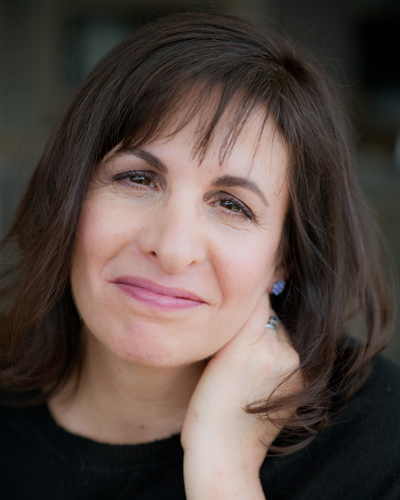 Jana Mohr Lone is the director and founder of the University of Washington Center for Philosophy for Children, an academic research center dedicated to research and practice in philosophy for children and philosophy of childhood, and she is an Affiliate Associate Professor of Philosophy at the University of Washington. Jana is the author of Seen and Not Heard (2021) and The Philosophical Child (2012). She co-authored the textbook Philosophy in Education: Questioning and Dialogue in Schools (2016) and co-edited the collection of essays Philosophy and Education: Introducing Philosophy to Young People (2012). Since 1995 she has taught philosophy in classrooms from preschool to college and beyond. A frequent writer and speaker about precollege philosophy, Jana is the founding president of PLATO (Philosophy Learning and Teaching Organization) and the founding editor-in-chief of the journal Questions: Philosophy for Young People. Follow her on Twitter: @JanaMohrLone