
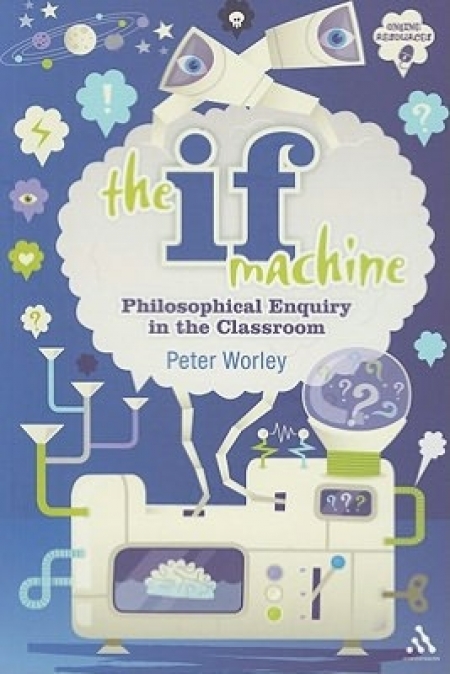

The If Machine, by Peter Worley, was published in 2011 and is full of ideas for motivating philosophical conversations with children. The first quarter of the book is an introduction to doing philosophy with young people and contains many useful general suggestions for introducing philosophy in elementary school classrooms. The rest of the book is made up of 25 units that each include a very short story, a description of the philosophical topic involved (justice, fairness, identity, etc.), and a list of questions and various strategies for facilitating a discussion on the topic. The book is well-written, very practical and accessible, and many of the stories raise philosophical issues in appealing and thoughtful ways. I’m going to try out one of the units with a class of fourth grade students next week.
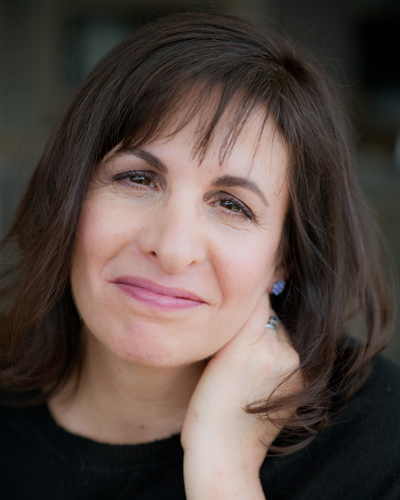 Jana Mohr Lone is the director and founder of the University of Washington Center for Philosophy for Children, an academic research center dedicated to research and practice in philosophy for children and philosophy of childhood, and she is an Affiliate Associate Professor of Philosophy at the University of Washington. Jana is the author of Seen and Not Heard (2021) and The Philosophical Child (2012). She co-authored the textbook Philosophy in Education: Questioning and Dialogue in Schools (2016) and co-edited the collection of essays Philosophy and Education: Introducing Philosophy to Young People (2012). Since 1995 she has taught philosophy in classrooms from preschool to college and beyond. A frequent writer and speaker about precollege philosophy, Jana is the founding president of PLATO (Philosophy Learning and Teaching Organization) and the founding editor-in-chief of the journal Questions: Philosophy for Young People. Follow her on Twitter: @JanaMohrLone