
I have written in many places about the centrality of questions to the work we do, and the importance generally of children learning to ask good questions and trusting that their questions are valuable.
Almost all very young children are alive with questions; they seem to naturally apprehend that this is the way to investigate and understand the world. At some point, however, most children absorb the message that questions are often not particularly welcome. They learn that having a question means that there is something they should have already grasped but have not. Asking questions publicly broadcasts what they don’t know, and this has the potential to be somewhat shameful, or at least embarrassing. And so they go silent. Walk into a sixth grade classroom, and it’s obvious that students pose questions with a tentativeness absent in kindergarten.
However, the ability to construct good questions is indispensable for navigating one’s way through contemporary life. Developing confidence and skill in questioning allows children to evaluate critically the constant flood of information that bombards them, gather what they need to make good decisions, and convey what gaps remain in their understanding of particular topics or situations. The more accomplished a child becomes at framing good questions, the more able he or she will be to think clearly and competently for herself.
Engaging children in conversations in which their questions are central, and encouraging them to articulate what led to their questions, is vital for helping children develop the ability to formulate and pose clear and articulate questions. Often a considerable part of a philosophy session with children will be spent listing the children’s questions and then choosing which question(s) to discuss. It can be easy, sometimes, in the goal-driven society in which we live, to see this part of the session as a precursor to the real work, the philosophy discussion itself. Indeed, when I first began doing philosophy in pre-college classrooms, I was often impatient about the time it took to get all the students’ questions on the board and decide what to discuss.
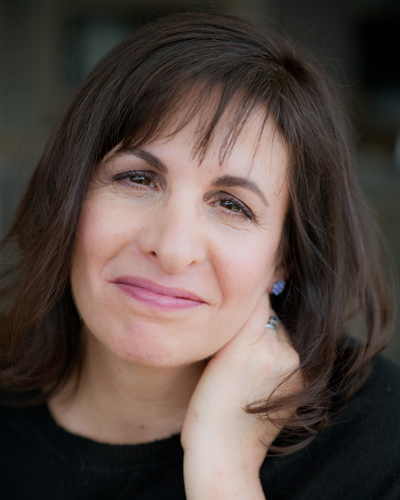 Jana Mohr Lone is the director and founder of the University of Washington Center for Philosophy for Children, an academic research center dedicated to research and practice in philosophy for children and philosophy of childhood, and she is an Affiliate Associate Professor of Philosophy at the University of Washington. Jana is the author of Seen and Not Heard (2021) and The Philosophical Child (2012). She co-authored the textbook Philosophy in Education: Questioning and Dialogue in Schools (2016) and co-edited the collection of essays Philosophy and Education: Introducing Philosophy to Young People (2012). Since 1995 she has taught philosophy in classrooms from preschool to college and beyond. A frequent writer and speaker about precollege philosophy, Jana is the founding president of PLATO (Philosophy Learning and Teaching Organization) and the founding editor-in-chief of the journal Questions: Philosophy for Young People. Follow her on Twitter: @JanaMohrLone